House rewiring
Villa and house rewiring in Parnell
Many Parnell homes were built long before anyone wired a house for power, and the cabling they have now was added in stages over the last century. Our registered electricians rewire villas, cottages and older homes so they are safe for the way people live in them today, then test and certify the work.
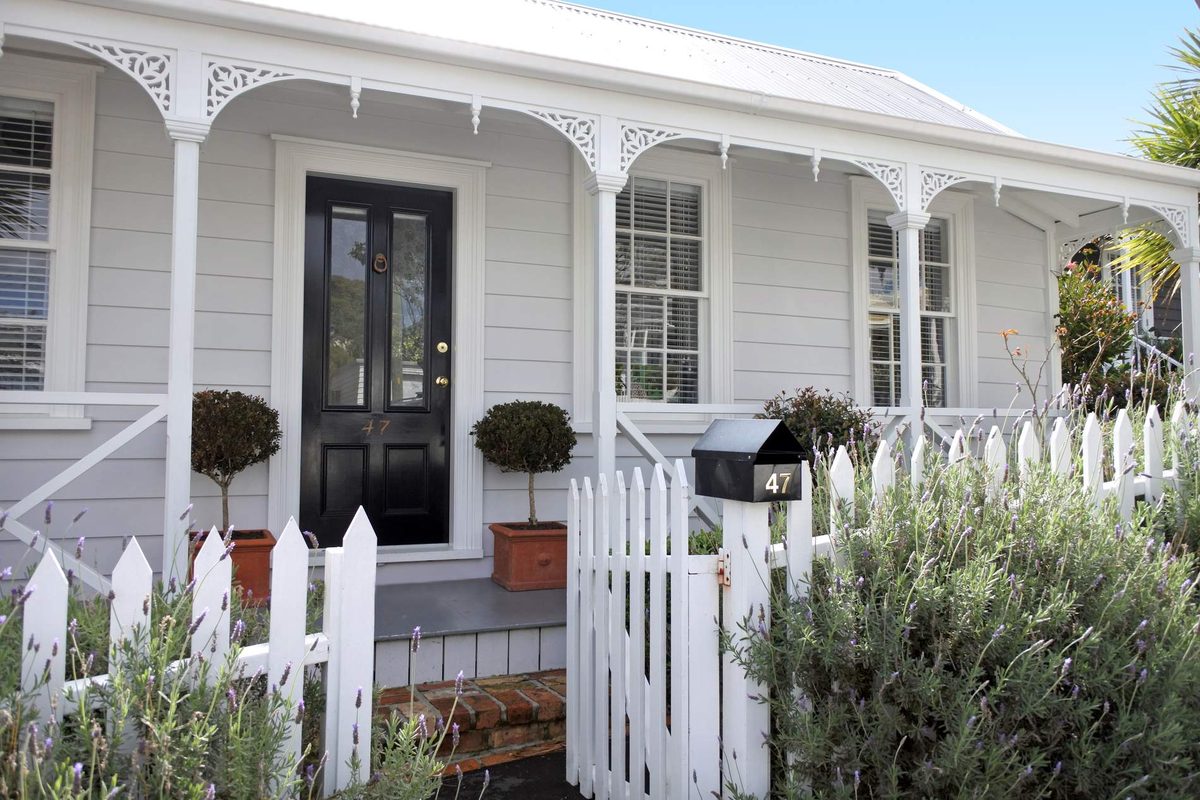
What Parnell's houses were built with
Parnell has some of the oldest housing in Auckland. The Unitary Plan's character statements describe the inner suburbs of the 1860s to 1880s, Parnell among them, as small houses closely spaced along narrow, hilly streets, followed by late Victorian bay villas, Edwardian villas and the lower transitional villas built around the First World War. Most of them are timber. Auckland had a gas supply from 1865, but New Zealand's first public electricity supply did not start until 1888, at Reefton. Any Parnell house older than that was wired after it was built, and most have been rewired in parts since, as kitchens moved, lean-tos were rebuilt and bathrooms came inside.
That history is what we find when we lift a floorboard. A single villa can hold several generations of cable side by side: rubber-insulated wire that has gone brittle, early sheathed cable from the middle of last century, and newer cable added for a renovation. The older layers were never sized for heat pumps, induction cooktops and a home office in every bedroom, and the insulation on them dries out and cracks with age, which is when faults and fire risk begin.
When a rewire is worth doing
Not every old house needs a full rewire. Often the main circuits are sound and only one part of the house, such as an old lean-to kitchen or a converted attic, is on worn cable. Signs that it is time to look properly:
- fuse wire in a ceramic fuse board rather than circuit breakers
- cable with cracked rubber or cloth insulation where you can see it, in the roof space or under the floor
- few power points, so rooms run on multi-boxes and extension cords
- lights that flicker, or power points and plugs that feel warm
- a renovation coming up, while the linings are off and the floor is open
Buying in Parnell is a good time to ask. WorkSafe advises buyers to have a licensed electrician or inspector check that a home's installation is electrically safe before they buy, and to sight the Certificates of Compliance for any work done. If the old fuse board is the worry rather than the wiring, start with our page on switchboard upgrades, and if one circuit misbehaves, fault finding may be all it needs.
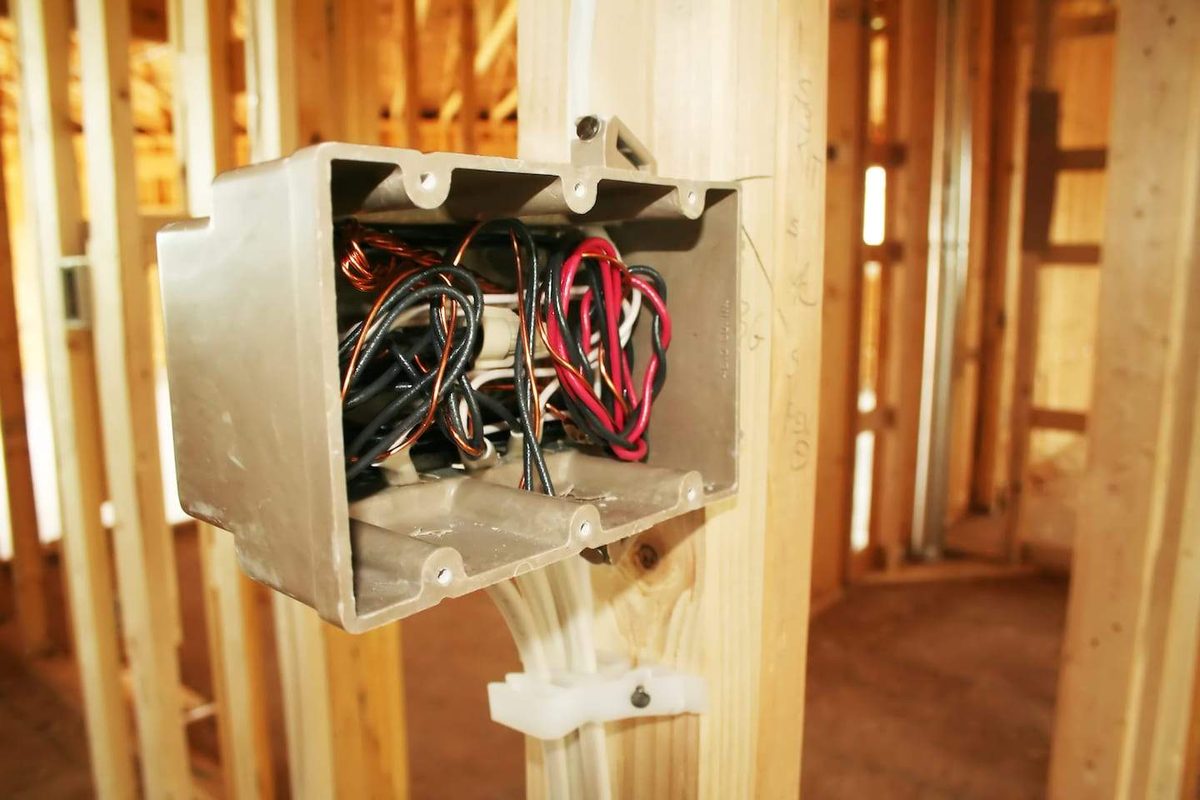
How a rewire runs in an older Parnell home
Trace what is there
We map every circuit back to the board and note which cable each one uses, so the plan replaces what needs replacing and keeps what is still sound.
Plan the routes
A villa's central hallway, its roof space and the crawl space under the floor are the usual paths for new cable. We plan routes that leave decorative ceilings, including pressed metal ones, and original linings untouched.
Rewire in stages
Where you are living in the house, circuits are changed over one at a time so most rooms keep power while the work goes on.
Bring the board up to date
New circuits need protection to match. If the board is old, it is replaced at the same time, and where that is high-risk work, such as fitting a higher capacity board, it is inspected by a licensed electrical inspector, which we arrange.
Test and certify
Every new circuit is tested before it is livened, and you receive the certificate for the work to keep with your house papers.
Rewiring questions
Do I have to move out while the house is rewired?
Usually not. Working circuit by circuit means you lose power to part of the house for part of a day rather than all of it. A full rewire during a major renovation, with the linings off, is a different job and often quicker to do in one go.
Will the walls and ceilings be damaged?
The aim is to disturb as little as possible. Most cable in a villa can be run from above or below, but some switch and outlet positions need a small opening in a lining, which is kept tidy and as few as we can make it.
My house is in a special character area. Does that affect rewiring?
The Unitary Plan's character statements are about how a house and its street look: verandahs, joinery, roofs and chimneys. Questions usually come with changes to the outside, such as moving the meter box or fixing new lights to the front of the house, so check those with Auckland Council first. A house on the council's heritage schedule needs the same check for any work.
What decides the size of the job?
How much old cable is left, how easy the roof space and subfloor are to reach, how many new power points and circuits you want, and whether the switchboard is replaced at the same time. We look first, then tell you what we found.
What paperwork will I get?
A Certificate of Compliance for the new wiring, and the inspection record for the switchboard if its replacement needed inspecting. Insurers and buyers often ask for them, so keep them safe.
An electrician in Parnell, day or night
Call 021 156 4005 at any hour, or send us the details and a registered electrician will get back to you.
Other work we do in Parnell
Switchboard upgrades
Old fuse boards replaced with a modern switchboard and circuit breakers, with the inspection the law asks for arranged as part of the job.Commercial electrical
Electrical work for the shops, offices, cafes and restaurants along Parnell Road, from a dead circuit to a full fit-out.Lighting
LED, interior and garden lighting for homes and hospitality spaces, planned around the room and installed by registered electricians.Fault finding
Breakers that keep tripping, dead power points and flickering lights traced back to the cause and repaired.Data and fibre cabling
Fibre optic, data and network cabling for home offices, apartments and Parnell businesses.24/7 emergency electrician
Registered electricians available for urgent call-outs 24 hours a day, 7 days a week.Enquiries
Contact us
Call 021 156 4005, or tell us about the job below and we will get back to you.
021 156 4005- Auckland
- Call-outs 24 hours a day, 7 days a week